AI Strategy
Digital Transformation Lessons
Digital transformation is not about tools — it’s about strategy, culture, and execution. In this article, I share key lessons learned in guiding organizations from diagnosis and vision-setting to building a coherent roadmap that turns digital ambition into measurable impact.

Key Lessons I Learned in Driving Digital Transformation
From Vision to Action
Introduction
Digital transformation is not a single destination but an evolving journey. Every step, from clarifying your core objectives to fostering a culture of innovation and continuous feedback, matters immensely. Organizations that systematically plan, test, and refine their approach can expect more than efficiency gains, they will discover new avenues for growth and resilience in a changing world.
As someone who is guiding organizations through this process, I believe wholeheartedly in the power of a well-structured strategy to reinvigorate teams, delight customers, and future-proof the business. Success demands alignment of technology, culture, and leadership, along with constant learning. If you’re ready to embark on or further refine your digital transformation journey, the time to act is now.
What Is a Digital Transformation Strategy?
A digital transformation strategy is far more than a simple catalog of digital tools or a static resource plan. It is a holistic blueprint that reimagines how an organization functions, competes, and delivers value by taking advantage of emerging technologies. At its core, such a strategy begins with a thorough diagnosis, using data to uncover existing pain points and growth possibilities. Armed with those insights, leadership formulates a guiding policy that crystallizes a clear, future-focused vision. Finally, a coherent plan of actions lays out the concrete steps and processes necessary to move the organization toward its redefined objectives. Digital transformation strategy ultimately becomes the driving force that propels a business toward meaningful innovation and lasting success.
Building Your Transformation Roadmap
A strategic approach to digital transformation demands much more than simply digitizing tasks or acquiring cutting-edge software. Rather, it calls for a comprehensive, thoughtfully constructed roadmap that redefines a company’s day-to-day operations, reshapes its internal culture, and strengthens its overall value proposition. In a marketplace increasingly shaped by rapid technological advances, organizations must view digital transformation as a sustained, organization-wide effort. Often described as “side-to-side,” this process must reach into every level and function, from senior executives to the frontline workforce, ensuring that every member of the team shares the same vision of progress and understands the part they play in achieving it. When leadership aligns high-level strategy with on-the-ground initiatives, the likelihood of a successful and meaningful transformation increases substantially.
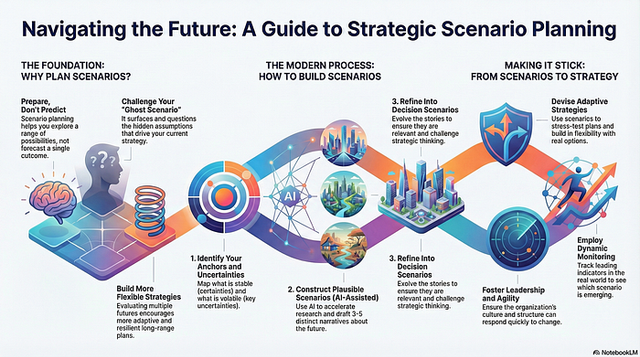
At the core of any effective roadmap lie three crucial components: Diagnosis, Guiding Policy, and a Coherent Plan of Actions. First, the Diagnosis phase puts data in the spotlight, systematically examining everything from performance metrics and workflows to customer feedback and market dynamics. By understanding the root causes of inefficiencies or missed opportunities, organizations can pinpoint exactly where change is needed and estimate its potential impact. Next, the Guiding Policy translates these discoveries into a clear, overarching vision, whether that means entering new markets, optimizing existing processes, or adopting emerging technologies. This policy balances aspirational targets with realistic timelines, ensuring the strategy remains both bold and achievable. Completely, the Coherent Plan of Actions turns high-level objectives into concrete steps. Here, teams define project scopes, allocate resources, schedule milestones, and establish key performance indicators to gauge success. When properly structured, this plan keeps everyone on the same page and provides a practical roadmap for moving from concept to execution.
Yet even the most sophisticated technologies and well-documented action plans cannot deliver real transformation on their own. People along with the skills, mindsets, and culture they uphold are the true driving force behind lasting change. That’s why it is essential to build cross-functional teams, invest in continuous training, and create an atmosphere in which employees feel empowered to experiment and learn from any missteps. Communication and collaboration form the backbone of these efforts: by celebrating early “quick wins,” sharing knowledge across departments, and maintaining transparency about both successes and setbacks, leaders can foster an environment where every stakeholder is engaged in the transformation journey. This spirit of teamwork and open dialogue not only accelerates innovation, but also strengthens trust between leadership and employees, ultimately turning an ambitious roadmap into a tangible reality.
Above all, remember that a digital transformation roadmap must be viewed as an evolving guide rather than a static to-do list. The business landscape changes quickly, and today’s cutting-edge technology can become outdated just as fast. Regularly revisiting each stage of the transformation, from the initial diagnosis to the action plan, ensures that your initiatives stay relevant and continue to deliver value. Key indicators and feedback loops, whether gathered through employee surveys, customer reviews, or performance analytics, should inform ongoing adjustments to the strategy. In this way, transformation becomes a cycle of discovery, learning, and fine-tuning, where every iteration enriches your organization with fresh insights and paves the way for long-term resilience and growth.
Conclusion
Looking toward the future, the path to digital transformation often unfolds through a logical yet iterative process. It begins by assessing your current state and gathering baseline data to identify precisely where improvements are needed. With these insights in hand, the next move is to secure leadership buy-in, demonstrating not only the projected returns on investment but also how each proposed initiative aligns with the broader organizational vision. As you move forward, it becomes critical to quantify and prioritize the potential issues, grouping them by urgency, impact, and effort, so you can then set ambitious, measurable goals using a phased, the simple S.M.A.R.T.-oriented approach. Just as important is assigning clear accountability to ensure each team member understands their role and has access to the required training and resources. By weaving these elements into a cohesive plan, organizations position themselves to thrive in an ever-evolving digital landscape.
#I am happy to receive any feedback and claps about this article;
Please feel free to connect on Linkedin
#Please feel free to explore my portfolio on Github;
#Please follow me on medium to read my articles;
I write about #Executive Data-Driven #Machine Learning #Data Science, #Energy #Renewable Energy #Artificial Intelligence #Project Management #AI Transformation #Technology Strategy #Business Analytics #Statistics and Probability