AI Strategy
AI Implementation Challenges
AI promises transformation, yet most initiatives fail. This article explores why AI implementation is difficult in corporate environments — from resistance to change and governance gaps to the “two cultures” divide — and how First Principles thinking helps overcome these barriers.
Why AI Implementation Is Challenging
The Complexity of Decision Making in Corporate Environments
Dilemma: Humans, Technology, and Decision Making
Artificial Intelligence (AI) holds tremendous promise for transforming how businesses operate, innovate, and compete. Yet, despite AI’s potential, many enterprises find it challenging to effectively adopt and scale AI solutions. According to McKinsey, up to 70% of all transformation initiatives — AI-related or otherwise — end up failing. Clearly, there’s a significant gap between AI’s promise and its practical adoption.
In this article, we’ll explore the hurdles that make AI implementation so daunting, from generic issues that arise with any new technology to those unique to AI. We’ll also highlight how adopting a “First Principles” mindset can help you overcome these obstacles and keep your organization focused on innovation and value creation.
1. Why AI Transformations Often Stall
1.1 Resistance to Change
The introduction of new technology invariably requires people to adapt. Employees might worry about job security, or they may be reluctant to learn new skills. Meanwhile, technical barriers — such as integrating AI systems with legacy infrastructure — can be just as daunting. Organizations must tackle both the human and technological sides of transformation by cultivating a culture of continuous learning and collaboration.
Key Tip: Encourage cross-functional communication. Bring together IT, data science, business stakeholders, and end users to jointly define objectives, success metrics, and timelines for adoption.
1.2 Fear of the Unknown
AI remains a relatively new frontier. Many decision-makers, particularly those without a technical background, may distrust or simply not understand AI’s inner workings. This knowledge gap can spark hesitation and slow progress. By investing in workforce education and partnerships with AI experts, organizations can instill confidence, demystify AI, and generate broader support.
Key Tip: Provide frequent, relatable training sessions for all teams, and share clear business cases that highlight AI’s benefits and ROI.
1.3 Business & Strategy Alignment
It’s easy to get swept away by AI hype and attempt to implement solutions without tying them back to strategic goals. Effective AI deployments are grounded in a clear vision of how this technology will drive tangible outcomes — whether that’s increasing revenue, boosting efficiency, or enhancing customer experiences.
Key Tip: Outline a roadmap linking each AI use case to specific business objectives. This clarity helps ensure buy-in and alignment across teams.
1.4 Change Management Best Practices
Introducing AI is as much about change management as it is about data science. AI projects often involve overhauling operational processes, reconfiguring how decisions are made, and recalibrating team roles. Traditional management systems or outdated guidelines can slow progress, especially if they haven’t evolved in decades.
Key Tip: Designate a change management lead for your AI initiatives. This person should coordinate training, communication plans, and stakeholder engagement to minimize friction.
1.5 Balancing Innovation with Risk Management
Adopting AI can open new market opportunities, yet it also introduces risks — from biased decision-making to regulatory compliance issues. Striking the right balance between harnessing AI’s potential and mitigating risk is critical.
Key Tip: Establish AI ethics committees, data privacy guidelines, and robust security measures early in the project lifecycle. Incorporate risk assessments into your AI governance process.
2. Challenges Unique to AI Technology
2.1 Outdated Management Approaches
Companies often rely on frameworks or managerial practices created decades ago, long before “big data” or “machine learning” were on anyone’s radar. As a result, many executives find it difficult to adapt to AI’s rapid and iterative development cycles.
Key Tip: Evolve organizational structures to encourage more agile processes and faster decision-making. Embrace experimentation and pivot quickly as new information becomes available.
2.2 The “Two Cultures” Divide
AI initiatives typically involve two distinct groups:
- AI Experts: Specialized in algorithms, modeling, and data.
- Business Executives: Focused on strategy, revenue, and competitive advantage.
These teams often speak different “languages” and operate with different motivators, creating potential misalignment. Moreover, AI specialists can fall prey to the “curse of knowledge,” assuming everyone understands technical details that remain opaque to the rest of the organization.
Key Tip: Establish regular forums or “town halls” for open dialogue between technical and business teams. Encourage each side to simplify complex concepts, bridging communication gaps.
2.3 Data & Infrastructure Gaps
AI solutions demand high-quality data, significant computing power, and well-structured data pipelines. Many organizations don’t have robust data governance strategies or the right infrastructure in place to handle large-scale AI workloads.
Key Tip: Focus on data integrity and invest in cloud-based solutions if on-prem systems are insufficient. Implement data governance policies that ensure ongoing data quality, security, and accessibility.
2.4 Governance & Regulation
AI regulations are rapidly evolving worldwide. Beyond legal compliance, organizations must consider ethical implications — such as bias in algorithms — and ensure that AI-driven decisions align with core company values.
Key Tip: Appoint a cross-functional AI governance team that includes legal, compliance, and technical experts. This team should proactively monitor regulatory changes, conduct audits, and recommend updates to policies.
2.5 Metrics & Measurement
Without clear success metrics, AI projects can drift into “science experiments” with no tangible business outcome. Define quantitative KPIs (like increased sales or reduced churn) and qualitative metrics (such as improved customer satisfaction) to gauge progress.
Key Tip: Start with small, measurable pilots. Demonstrate early wins, gather feedback, and then scale successful initiatives more broadly across the enterprise.
3. First Principles Thinking: A Blueprint for AI Success
First Principles Methodology involves breaking complex problems down into their essential building blocks and then rebuilding solutions from the ground up. Popularized in modern business by Elon Musk (but rooted in the teachings of Aristotle and Einstein), First Principles help organizations to move beyond assumptions and legacy thinking.
3.1 How It Works
- Break Down the Problem: Identify the fundamental components of your AI project, such as the quality of your data or the specific customer pain point you want to address.
- Pinpoint Core Principles: Ask “why” repeatedly until you expose the problem’s basic truths, free of biases or preconceptions.
- Rebuild from the Ground Up: Use these insights to formulate new approaches or solutions that address root causes, not just symptoms.
3.2 Benefits of First Principles for AI
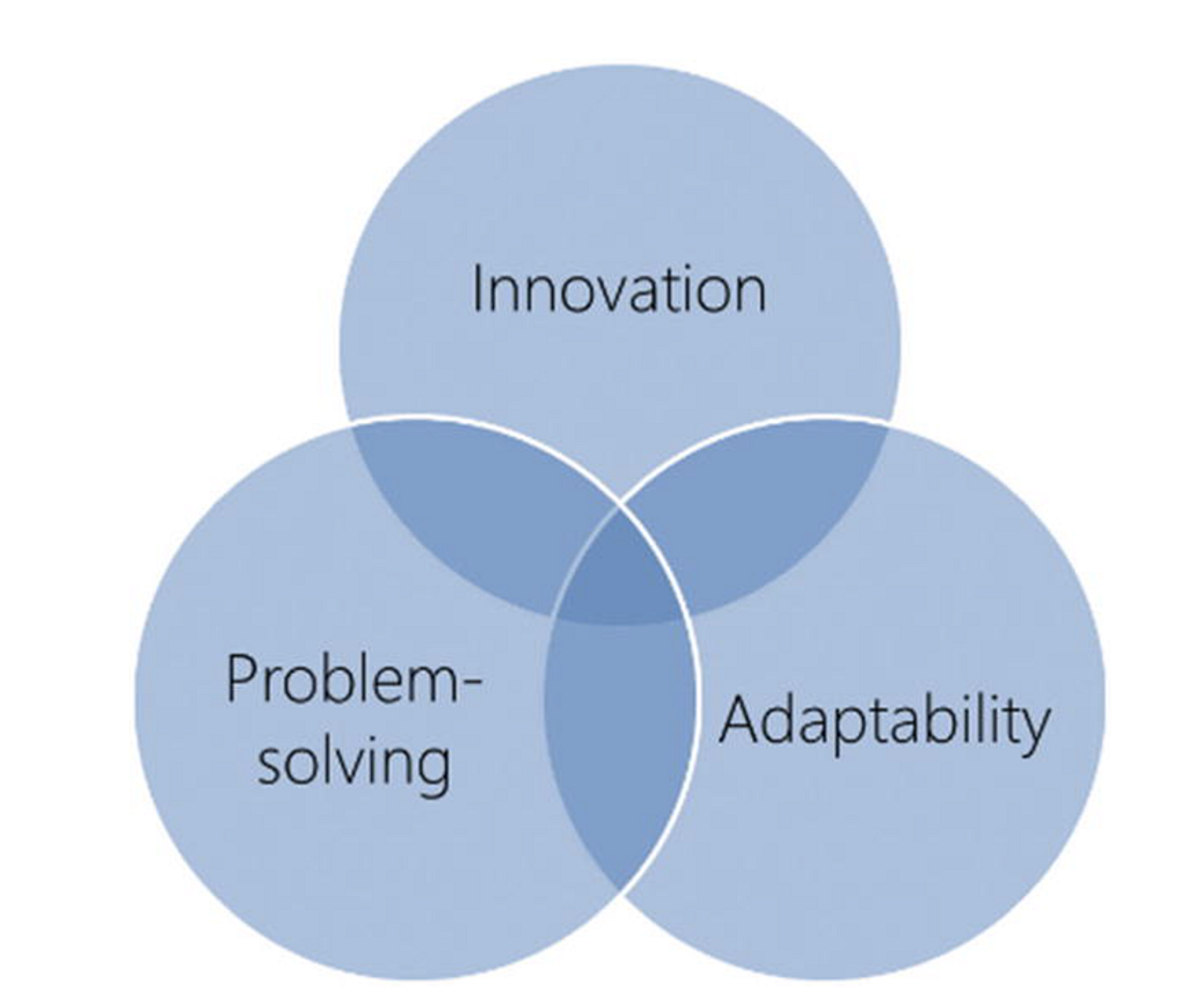
- Enhances Adaptability: By zeroing in on the core drivers, you can pivot AI strategies quickly and effectively, even as the technology evolves.
- Encourages Innovation: Challenging assumptions is a powerful way to discover novel applications of AI and avoid “that’s how it’s always been done” thinking.
- Reduces Cognitive Biases: By anchoring decisions in facts and fundamental truths, organizations can steer clear of personal or organizational biases.
- Facilitates Collaboration: First Principles discussions force diverse teams to speak a common language of facts and logic rather than relying on jargon or power hierarchies.
4. Humans, Technology, and Decision Making
4.1 Conway’s Law
Your AI implementation will reflect your organizational structure. If you have siloed teams, expect a siloed AI system. If you value cross-functional collaboration, your AI solutions will likewise be more integrated and cohesive.
Key Tip: Before implementing AI, assess how your teams communicate. Restructure if necessary, ensuring that you have the cross-functional environment needed to unlock AI’s full potential.
4.2 The Innovator’s Dilemma
Companies that dominate traditional markets often resist disruptive technologies. AI may threaten established business models and roles, making it hard for leaders to see the long-term value of innovation versus the short-term risk of change.
Key Tip: Create a safe space for experimental projects — often referred to as an internal “skunkworks” team — that can explore AI’s potential without being stifled by short-term profit demands.
4.3 Human Biases in Corporate Environments
Organizational decisions aren’t always based on facts alone; politics, power structures, and personal agendas inevitably play a role. Even well-intentioned leaders can succumb to cognitive biases, distorting technology adoption decisions.
Key Tip: Diversify your AI project teams. Ensure representation across different genders, ethnicities, backgrounds, and levels of technical proficiency. Encourage open dialogue and feedback loops to challenge blind spots.
4.4 Power vs. Knowledge
In many corporate contexts, authority can override expertise. This can derail AI projects when individuals who hold the purse strings or sway final decisions aren’t fully informed about the technology’s nuances or potential benefits.
Key Tip: Define clear decision-making processes that weigh technical data and domain expertise more heavily. Decision-makers should be briefed regularly and in plain language on key AI findings and performance metrics.
5. Key Takeaways & Next Steps
- Define Your Problem Clearly: Before jumping into AI, ensure you’ve articulated the business problem with precision. This clarifies objectives, sets proper expectations, and aligns teams around a shared vision of success.
- Establish an Action Plan: AI projects have distinct challenges — from bridging communication gaps between data scientists and business stakeholders to calculating ROI and handling regulatory concerns. A well-structured plan ensures you address these systematically rather than ad hoc.
- Adopt Robust Governance & Measurement: AI requires transparent processes and consistent oversight. Establish frameworks for ethical review, data management, and performance measurement to build trust and accountability.
The promise of AI is immense, yet realizing its benefits requires more than just algorithms and data — people, processes, culture, and organizational design play equally critical roles. By embracing First Principles thinking and confronting biases and organizational barriers head-on, businesses can effectively harness AI’s transformative power.
Remember: The future of AI, and by extension our collective future, depends on our ability to guide these powerful tools responsibly. In the chapters (or steps) ahead — both figurative and literal — commit to fostering an environment where AI thrives through collaboration, thoughtful strategy, and a relentless focus on solving real-world problems. By doing so, your organization will be well-positioned to innovate, adapt, and create sustainable value for years to come.
#I am happy to receive any feedback and claps about this article;
Please feel free to connect on Linkedin
#Please feel free to explore my portfolio on Github;
#Please follow me on medium to read my articles;
I write about #Machine Learning, #Data Science, #Energy, #Renewable Energy, #Artificial Intelligence, #Project Management, #Strategy, #Business Analytics, #Statistics and Probability